Vape Culture: Exploring the Rise of Vaping in Today's Society
Vape culture has emerged as a prominent phenomenon among young adults, motivated by the search for better alternatives and an array of flavor selections. Social media accelerates this movement, portraying vaping as a mainstream and accepted lifestyle. Yet, the health concerns surrounding vaping remain debated, prompting serious questions regarding its safety. As vaping establishments transform into social gathering spaces, the dynamics of this lifestyle continue to shift. What does the future hold for this expanding trend?
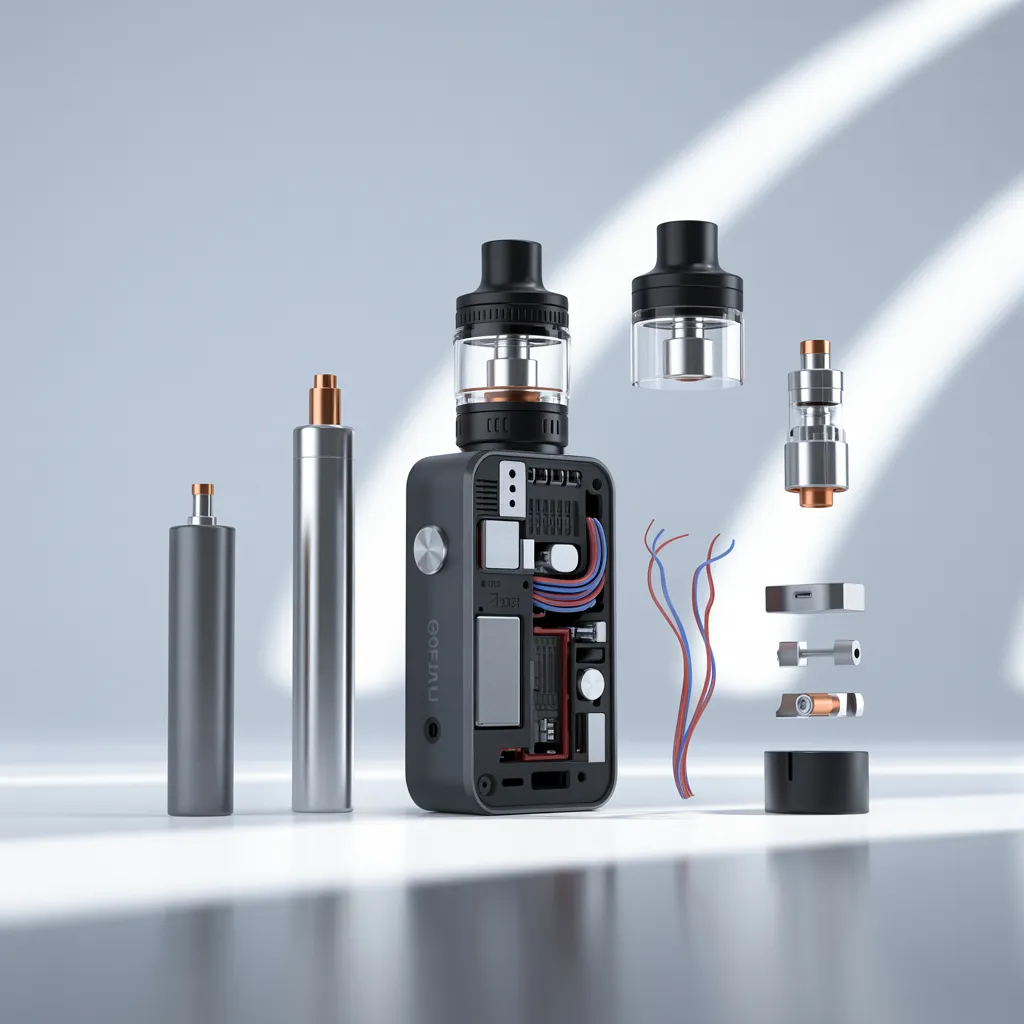
Why Are So Many People Making the Switch to Vaping?
As the understanding of the health dangers linked to conventional smoking increases, numerous people are choosing vaping as what they consider a healthier option. This change is motivated by a variety of influences, among them the allure of varied tastes and personalized settings that vaping devices deliver. Many users appreciate the varied flavors, which range from fruity to dessert-inspired, making the experience more enjoyable compared to conventional tobacco. Furthermore, vaping is frequently regarded as a more socially welcomed activity, especially among younger age groups. The technology behind vaping devices also allows for a level of control over nicotine intake, appealing to those looking to reduce consumption gradually. In addition, the belief that vaping is less disruptive and produces fewer lasting odors than cigarette smoking adds to its growing appeal. Consequently, a wide variety of people, ranging from ex-smokers to those newly introduced to nicotine, are progressively transitioning to vaping.
Can Vaping Be Considered Safe? The Health Controversy?
How does vaping measure up against conventional smoking in terms of safety? This inquiry has ignited substantial controversy among healthcare specialists and the general population. Although vaping is frequently promoted as a healthier option compared to smoking, the truth is far more nuanced. E-cigarettes typically contain fewer toxic substances than traditional cigarettes, which could theoretically reduce some health risks. Nevertheless, vaping continues to deliver dangerous substances into the body, such as nicotine, which may result in dependency and possible heart-related complications.
Growing research has brought attention to concerns about the prolonged consequences of inhaling aerosolized substances, particularly since numerous components found in e-liquids have not been thoroughly studied. Furthermore, reports of lung damage linked to vaping have emerged, adding to the uncertainty surrounding its safety. In the end, while vaping might carry fewer hazards than traditional smoking, it is not devoid of potential hazards, calling for cautious deliberation among users and policymakers.
Who Is Getting Into the Vaping Trend?
What types of people are attracted to vaping? A broad spectrum of individuals is drawn to vaping, across different age groups and lifestyles. Younger individuals, especially those between their late teens and early twenties, often seek alternatives to traditional smoking, viewing vaping as a modern lifestyle choice. Many are motivated by the perception that vaping is less harmful and offers a customizable experience through various flavors and nicotine levels.
Furthermore, smokers who have switched to vaping represent a significant demographic. Many consider it a method to decrease nicotine use while still partaking in the act of inhaling. Curiosity further motivates certain people, as the social elements of vaping entice those who wish to connect with like-minded individuals or try new things. Vaping's widespread availability, along with its sense of novelty, consistently brings a diverse array of people into the vaping sphere.
How Social Media Shapes Vape Culture
How does social media influence vape culture? Social media networks have grown increasingly central to the promotion and normalization of vaping among different groups. Via eye-catching visual content, influencers portray vaping as a lifestyle option, routinely stressing its aesthetic qualities and social elements. Vaping-related hashtags and online challenges foster a sense of belonging, motivating users to exchange their experiences and personal preferences. Moreover, social platforms including Instagram and TikTok empower users to generate and spread tutorials, vaping techniques, and product assessments, increasing the prominence of vaping products and brands.
This continuous exchange cultivates an environment where vaping is not just a habit but an outlet for personal identity. The widespread reach of social media amplifies trends, leading to rapid shifts in consumer preferences. Therefore, social media serves as a double-edged sword, both promoting awareness of vaping and perhaps embellishing the activity, particularly among a younger generation.
How Vaping Influences Lifestyle Choices
Vaping has grown into a powerful force shaping current lifestyle trends, affecting everything from everyday social encounters to individual identity. For many, vaping serves as a social lubricant, facilitating connections in both casual and formal settings. The act of vaping often creates a shared experience among users, fostering community bonds and establishing norms around social gatherings.
Moreover, vaping has reimagined personal identity for some individuals, differentiating them from traditional smokers or non-smokers. The selection of flavors, devices, and brands enables people to express their preferences and tastes, contributing to a sense of individuality.
In addition, wellness perspectives related to vaping have prompted lifestyle shifts; a number of users regard it as a better replacement for traditional smoking, while some incorporate it within fitness and wellness narratives. In the end, vaping impacts behaviors connected to social habits, self-identity, and overall health, highlighting its significant effect on modern lifestyles.
Vape Stores: Gathering Places for Enthusiasts
Within the ever-changing world of vaping culture, vape shops are now recognized as important social centers for enthusiasts. Such venues function as meeting spots where people can bond over their mutual passion for vaping. Rather than just offering products for sale, vape shops often host events, such as product tastings and educational workshops, cultivating a sense of community among their customers.
The well-informed staff regularly offer helpful guidance into the most recent vaping devices and e-liquids, improving the overall vaping journey. This personalized service helps build trust and loyalty within the community. Additionally, vape shops often create welcoming environments, encouraging social interactions among customers, which can lead to friendships and support networks.
With vaping steadily increasing in popularity, these shops serve a vital role in cultivating a culture focused on discovery and learning. By emphasizing community participation, vape shops not only enhance personal experiences but also help establish a vibrant, interconnected vaping culture.
Upcoming Trends in Vape Culture
How will the future of vape culture evolve as technology and societal attitudes shift? As vaping technology advances, innovations such as smart devices and customizable options are likely to attract a wider audience. Upgraded user interfaces and app connectivity may support individualized experiences, empowering users to track their consumption habits and preferred flavors. Furthermore, the increasing focus on health and well-being may redefine public perceptions, resulting in greater acceptance of vaping as a safer substitute for smoking.
Policy modifications will also be significant as authorities introduce tighter controls, brands may concentrate on clarity and product integrity, cultivating a more conscientious sector. Community outlooks may progressively transform, with vaping becoming more integrated into mainstream culture, comparable to the craft beverage or specialty drink movement. Ultimately, the future of vape culture will be defined by a combination of technological advancement, legislative guidance, and shifting societal views, forging a unique presence in modern culture.
Commonly Asked Questions
Which Flavors Are Most Favored by Vapers Today?
Fruity flavors, particularly mango, watermelon, and berry, lead the vaping market at present. Dessert flavors, like vanilla custard and chocolate, also enjoy popularity, attracting vapers who seek sweet and indulgent options.
What Is the Typical Monthly Cost of Vaping?
The monthly cost of vaping generally fall from $30 to $100, varying with usage, device type, and e-liquid choices. Regular users might notice significant cost variations depending on personal preferences and consumption patterns.
Are There Age Restrictions for Purchasing Vape Products?
Indeed, there are age restrictions for purchasing vape products. In many regions, individuals must be at least 18 or 21 years of age, depending on local laws, to lawfully purchase vaping devices and related accessories.
Can Vaping Help People Quit Smoking Entirely?
Vaping can help certain people stop smoking altogether by offering a safer substitute. That said, not everyone experiences the same benefits, and reliance on vaping can lead to continued nicotine dependence for others.
What Are Common Misconceptions About Vaping?
Widespread misunderstandings about vaping encompass the beliefs that it poses no health risks, that it lacks any harmful ingredients, find out more and that it is solely a gateway to smoking. These misunderstandings can influence perceptions and behaviors surrounding vaping.